
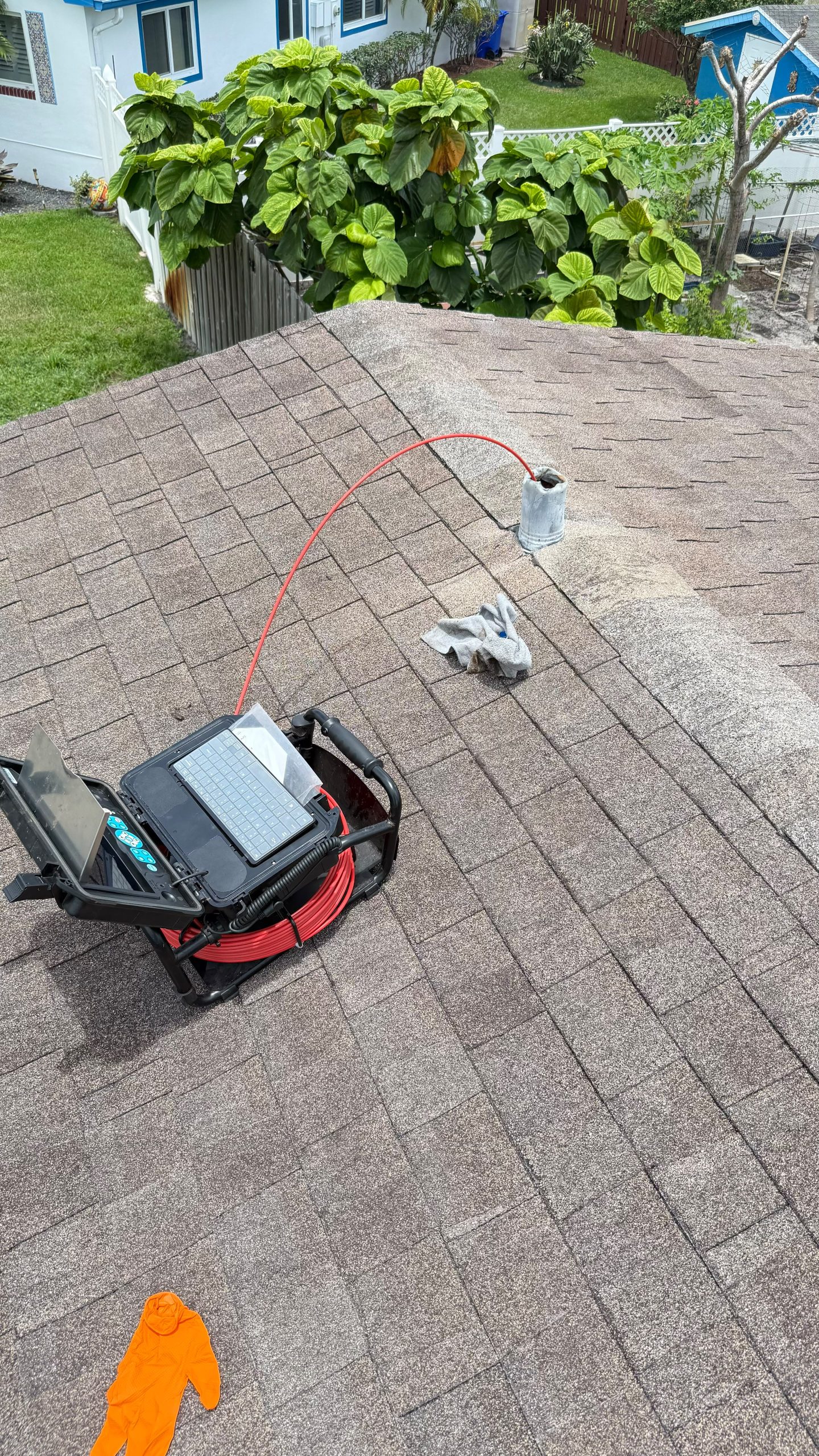
Leak Detection & Leak Location
Professional plumbing leak detection in Miami and South Florida using pressure testing, acoustic detection, thermal imaging and moisture testing to help narrow down hidden water leaks.
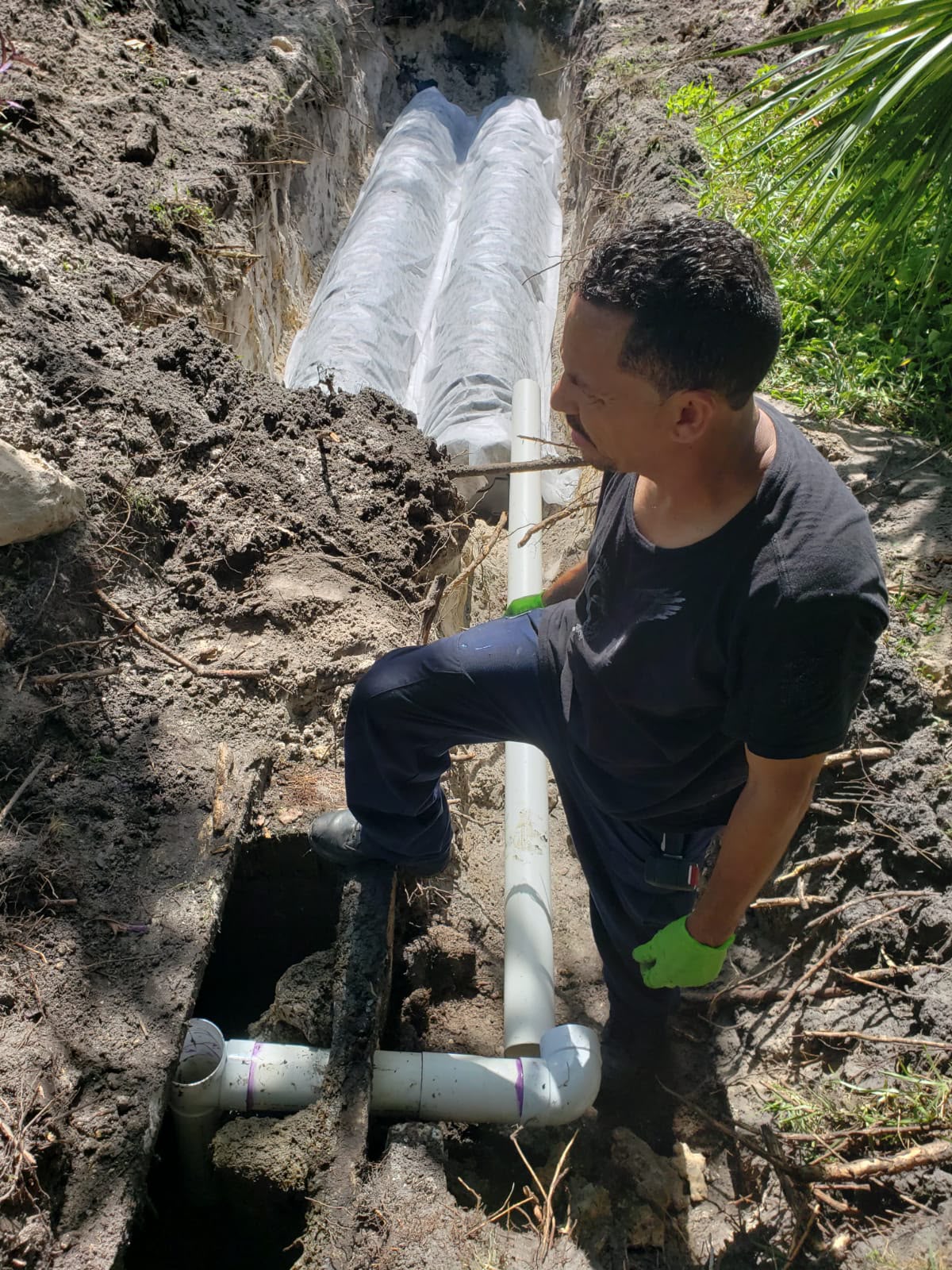
Locate the Leak Before Planning the Repair
A plumbing leak is not always visible at the point where water appears. Moisture can travel under flooring, through walls or beneath a slab, making accurate diagnosis an important first step.
Jay & Norman Plumbing Services evaluates the property, reviews visible signs and uses appropriate diagnostic methods to help determine whether the problem involves a hot or cold potable water line, drain line or another plumbing source.
- Slab leak investigation
- Wall leak location
- Hot and cold line testing
- Moisture mapping
- Thermal imaging
- Leak detection report
Signs You May Have a Hidden Plumbing Leak
Some leaks are obvious, while others may only become noticeable through changes in water use, moisture or the condition of walls and floors.
Unexpected Water Bill Increase
A sudden increase in water usage can indicate water escaping somewhere in the plumbing system.
Wet Spots or Water Stains
Damp flooring, ceiling stains, bubbling paint or swollen baseboards can point to concealed moisture.
Warm Areas on the Floor
Unusual warm spots on tile or flooring may indicate a leaking hot-water line beneath the slab.
Water Meter Movement
Meter activity while plumbing fixtures are off may help confirm that water is being lost somewhere.
Sounds of Running Water
Hissing, dripping or flowing-water sounds when fixtures are not in use can require investigation.
Musty Odor or Moisture
Persistent dampness or a musty smell may be associated with water migrating into concealed areas.
A Step-by-Step Approach to Locating Plumbing Leaks
The exact testing method depends on the property, plumbing configuration and symptoms found during the initial evaluation.
Customer Interview & Visual Inspection
We review when the problem was first noticed, changes in the water bill, unusual sounds, wet areas and other symptoms. Interior and exterior plumbing areas are visually inspected, and a water-meter movement test may be performed.
Pressure Testing
The potable water system can be pressure tested and hot and cold sides isolated when appropriate. Pressure loss is monitored to help determine whether the issue is consistent with a concealed supply-line leak.
Electronic Leak Detection
Acoustic listening equipment may be used to help identify water movement beneath a slab or inside a wall. Thermal imaging can assist with locating temperature changes associated with hot-water leaks.
Moisture Mapping
Moisture readings can be taken across walls, floors or other affected surfaces to help map water migration and narrow the suspected leak area.
Slab / Wall Isolation if Needed
When required, individual plumbing loops may be isolated to help narrow the affected zone. Drain-camera inspection can also be recommended when it is necessary to distinguish a drain leak from a supply-line leak.
Confirmation & Report
The suspected leak location is marked and the findings can be documented, including the type of leak, approximate location, access conditions, severity and recommended next-step repair options.
Tools Used to Help Narrow Down the Leak
No single tool is appropriate for every leak. The diagnostic method is selected according to the plumbing system and conditions found on site.
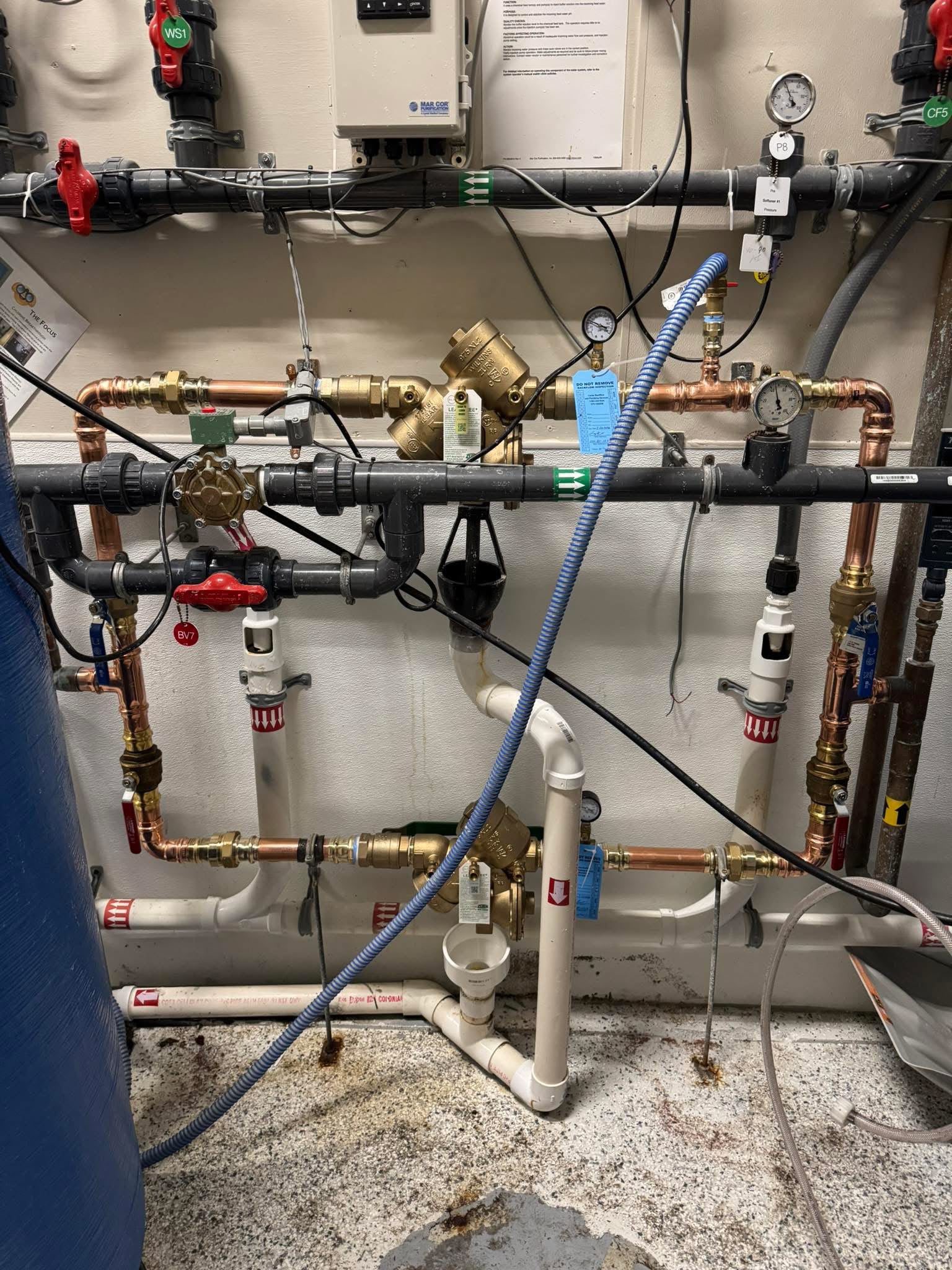
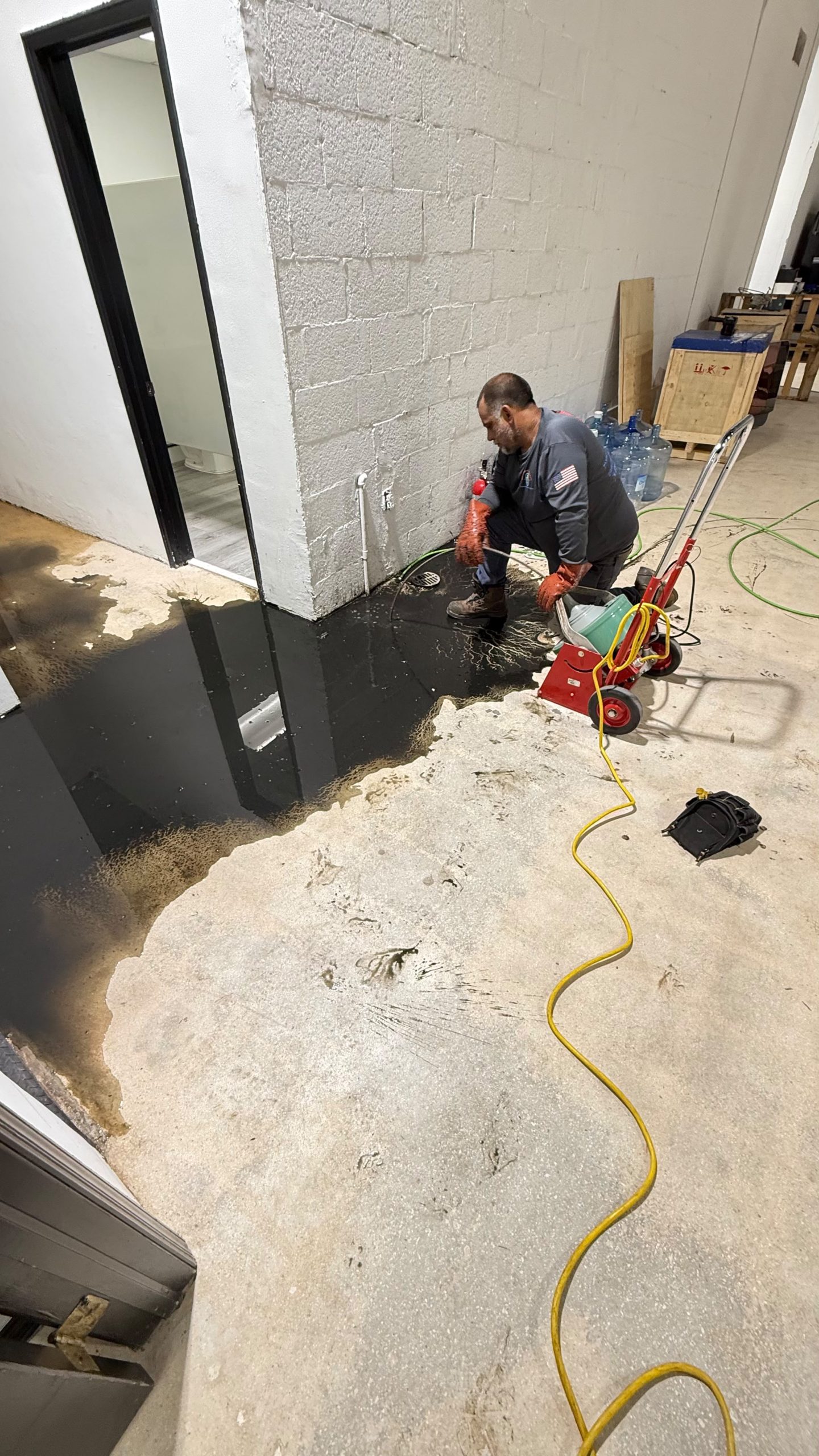
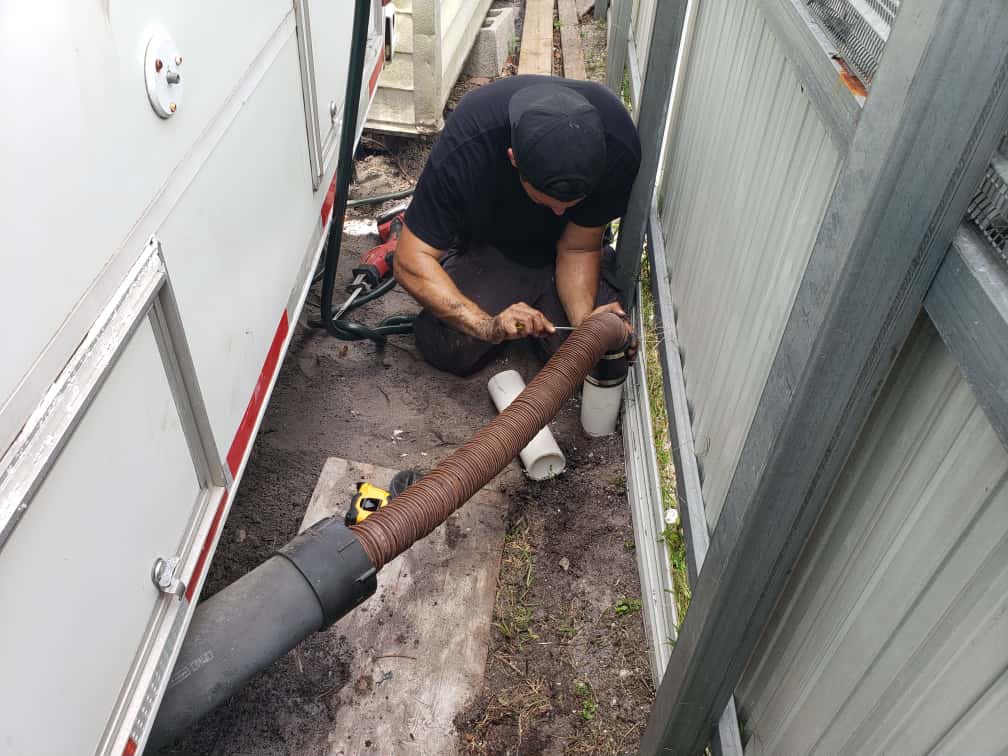
Clear Findings Before Repair Work Begins
Depending on the job and findings, the leak detection report may document the suspected source and location along with repair options.
What the Leak Detection Service Covers
Typically Included
- Service call and leak-detection evaluation
- Detection labor for up to approximately 2 hours
- Use of acoustic leak-detection equipment
- Thermal imaging where appropriate
- Moisture readings and pressure gauges
- Leak-location findings / report
- Estimated service time: approximately 1–2.5 hours
Typically Not Included
- Opening slab, concrete or drywall
- Spot repair, repipe or restoration work
- Sewer camera unless separately quoted
- Permit fees
- Flooring or finish restoration
- Mold remediation or water-damage mitigation
- Insurance documentation unless specifically requested
Important Leak Location Note
Leak location is a best-effort diagnostic service based on available equipment, plumbing configuration and site conditions. The suspected location may be identified within an approximate 12–18 inch radius. Aging plumbing systems may contain additional leaks that are not present or detectable at the time of the original inspection.
Serving Miami & South Florida
Call Jay & Norman Plumbing Services to confirm leak-detection availability for your property and location.
Leak Detection FAQs
How do you locate a hidden plumbing leak?
Can you locate a leak under a concrete slab?
Does leak detection include opening the floor or wall?
How long does leak detection usually take?
What happens after you find the leak?
Do you provide leak detection throughout South Florida?
Think You Have a Hidden Leak? Call Us Today.
Tell us what you are seeing at the property and speak with Jay & Norman Plumbing Services about leak detection and the appropriate next step.