
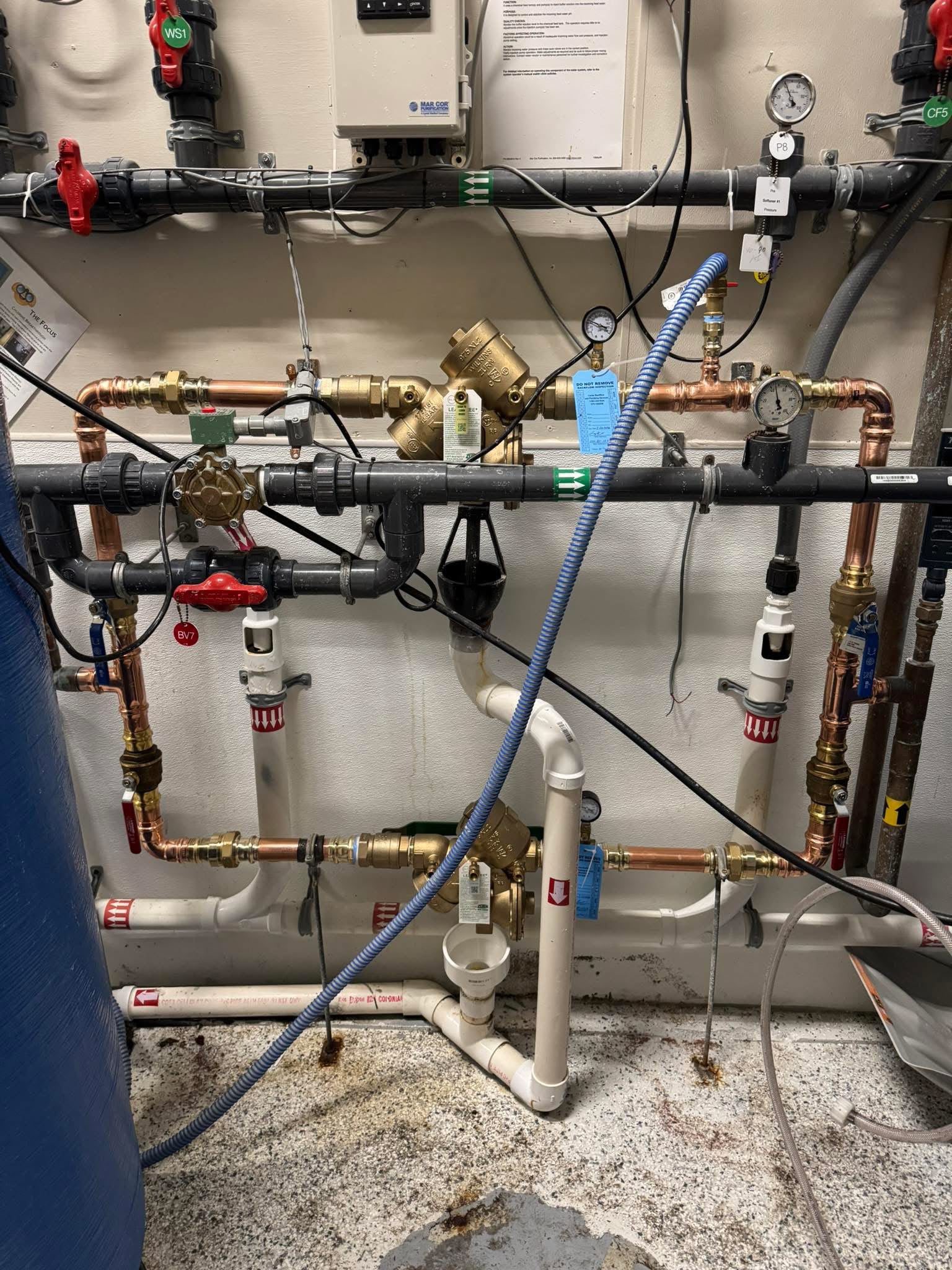
Whole House Water Line Repipe
Replace aging, leaking or repeatedly failing water lines with a professionally planned whole-house repipe using PEX-A, Type L copper or another suitable piping system.
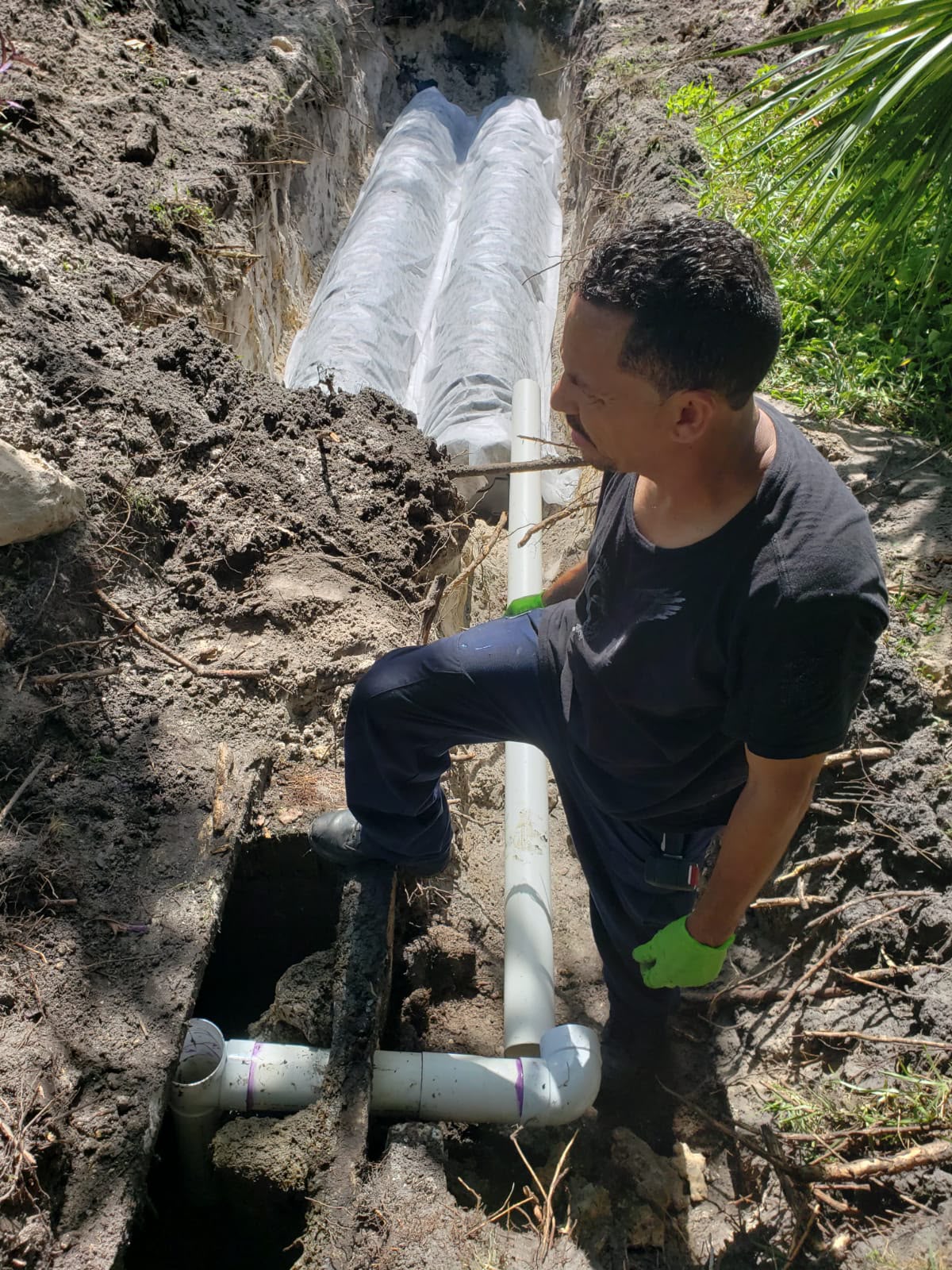
A New Water Line System for Your Entire Property
Repeated leaks, deteriorated pipes, low water pressure or an aging plumbing system can make individual repairs increasingly impractical.
A whole-house water line repipe replaces applicable hot and cold water distribution piping and reconnects fixtures to a new plumbing system designed around the property's layout and existing conditions.
- Hot and cold water lines
- PEX-A or Type L copper
- Fixture shutoff valves
- Main shutoff evaluation
- PRV and expansion tank where needed
- Pressure testing and system flush
Signs Your Home May Need a Water Line Repipe
A repipe may be considered when water-line problems are no longer limited to one isolated fitting or pipe section.
Repeated Water Leaks
Multiple leaks in different areas can indicate broader deterioration within the water-line system.
Low Water Pressure
Restricted or deteriorated piping can contribute to poor flow or inconsistent pressure at fixtures.
Aging Plumbing
Older supply piping may require broader evaluation when repairs become frequent.
Discolored Water
Certain piping conditions can contribute to discoloration and should be evaluated with the rest of the system.
Pinhole Leaks
Repeated pinhole failures can be a reason to compare ongoing spot repairs with a complete repipe.
Previous Leak Repairs
A property with numerous previous water-line repairs may benefit from a system-wide evaluation.
From Existing Water Lines to a New Distribution System
Every repipe is planned around the property's layout, fixture locations, existing piping, access and selected repipe material.
Plumbing Evaluation
Existing water lines, leak history, water pressure, fixtures, shutoff valves and accessible plumbing conditions are reviewed before planning the repipe.
Plan the New Pipe Routes
New hot and cold water routes are planned through suitable wall, attic, ceiling or other accessible areas to serve the required fixtures.
Protect the Property
Applicable floors, cabinets and surrounding work areas are protected before access openings and installation work begin.
Install New Water Lines
New PEX-A, Type L copper or agreed piping material is installed with appropriate supports, fittings and fire-stopping where required.
Reconnect Fixtures
Applicable sinks, toilets, showers, tubs, water heaters and other fixtures are connected to the new hot and cold water distribution system.
Install Shutoff Valves
Fixture stops and applicable system valves are replaced or connected as included in the approved scope.
Pressure Test the System
The completed water-line system is pressure tested before applicable wall or ceiling openings are closed.
Flush, Inspect & Complete
New lines are flushed, accessible connections are checked and applicable inspection requirements are completed before final closure or patching.
Choose the Right Material for Your Property
Material selection depends on the approved project scope, property conditions, routing and customer preference.
PEX-A
Flexible cross-linked polyethylene can reduce the number of fittings required in many residential repipe layouts.
- Flexible routing
- Corrosion resistant
- Suitable for hot and cold water
- Fewer directional fittings in many routes
- Manufacturer warranty may extend up to 25 years
Type L Copper
Type L copper is a traditional rigid water-supply material that can be selected where appropriate for the property and scope.
- Traditional rigid piping
- Suitable for hot and cold water
- Professionally soldered or approved fittings
- Supported throughout accessible runs
- Applicable fitting warranties per manufacturer
CPVC
CPVC may be considered for selected applications depending on existing plumbing conditions and project requirements.
- Hot and cold water applications
- Corrosion resistant material
- Rigid piping installation
- Used where suitable for project conditions
- Manufacturer warranty applies
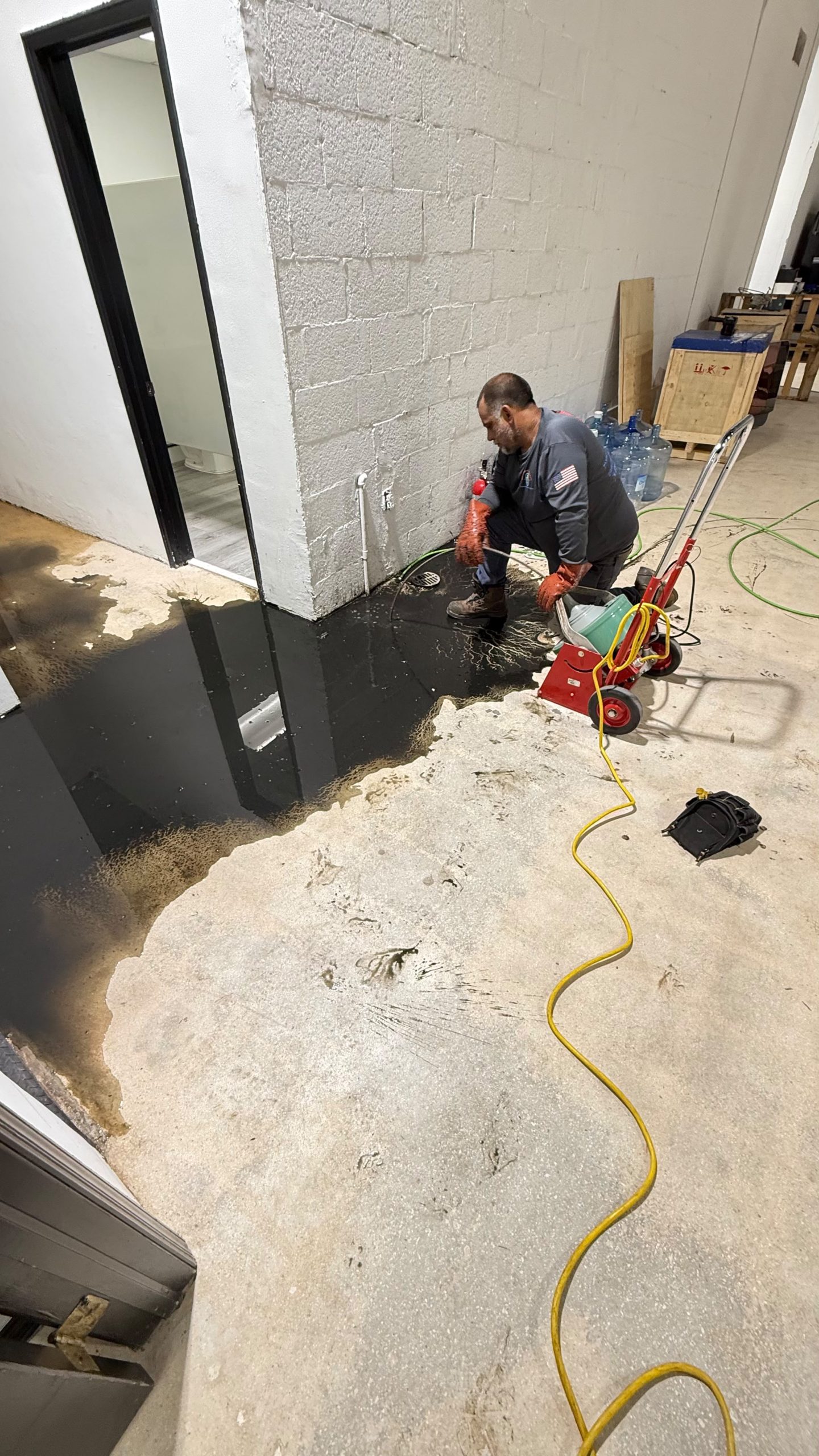
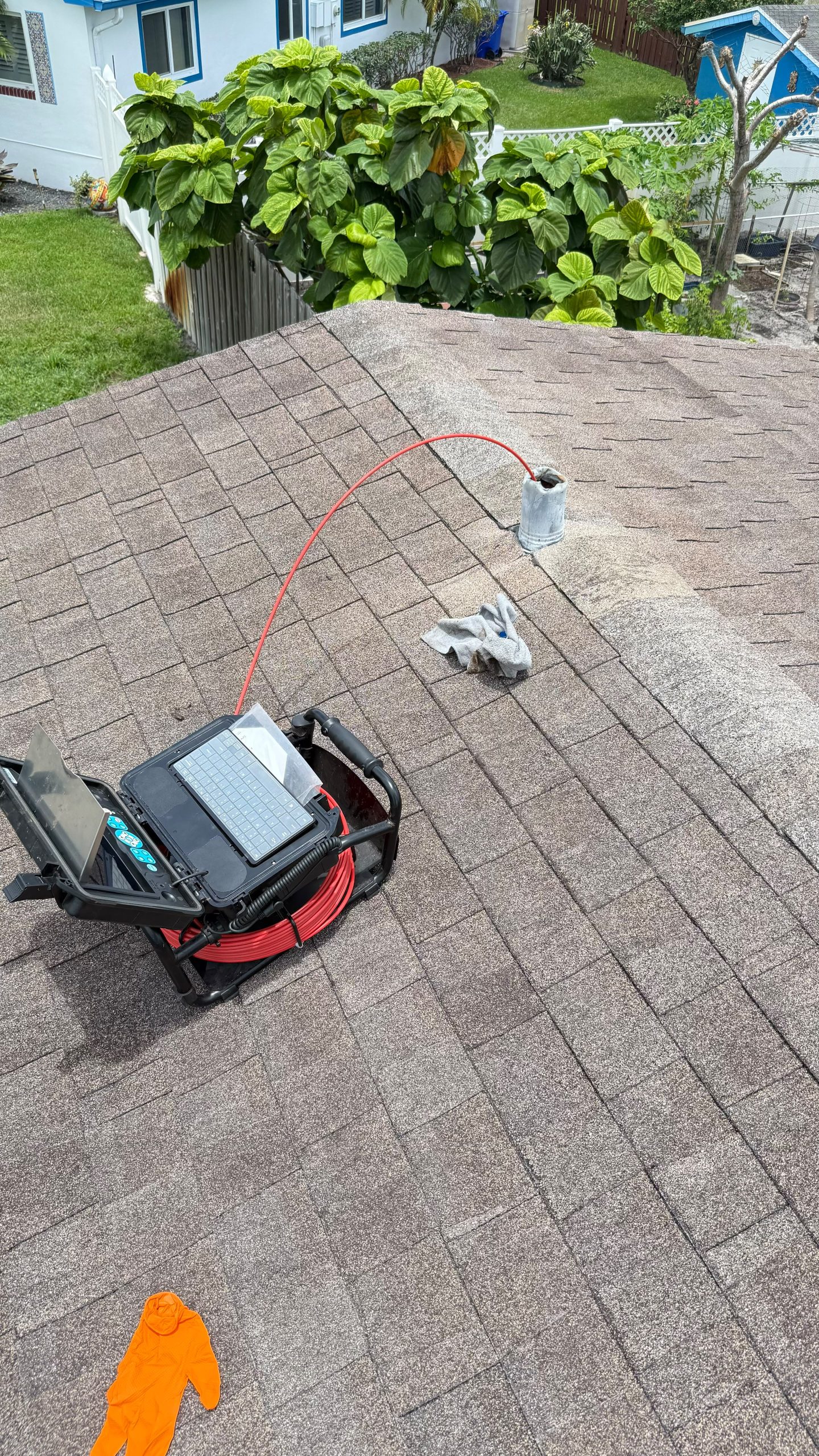
Important Components of a Complete Repipe
A reliable repipe also involves pressure control, shutoff valves, supports, fixture connections and final testing.
Planned for Performance, Access & Future Service
Pipe routes, pressure, fixture connections and access points are planned around the individual property.
New Pipe Routes
New water lines may be routed through attics, ceilings, walls or other suitable accessible areas.
Pressure Control
Where a PRV is part of the installation, operating pressure can typically be adjusted near 60–65 PSI where appropriate.
Existing Lines
Old water lines can be disconnected and abandoned in place where removal is not required or practical.
Access Restoration
Drywall patching can be included or priced separately depending on the agreed project scope.
Whole House Repipe Scope
Final scope depends on property size, fixture count, selected material, access and existing plumbing conditions.
May Be Included
- Existing water-line evaluation
- New hot and cold water distribution lines
- PEX-A, Type L copper or approved material
- New pipe routing through suitable access areas
- Pipe supports and straps
- Fire-stopping at applicable penetrations
- Fixture branch connections
- Fixture shutoff valves where included
- Main shutoff connection
- Pressure reducing valve where required
- Expansion tank where required
- Water heater connections
- Abandonment of old water lines where appropriate
- Pressure testing before closure
- Chlorination / system flush
- Applicable inspection coordination
- Work-area cleanup
May Require Separate Pricing
- Extensive drywall replacement
- Painting and texture matching
- Tile or finished-surface repair
- Cabinet removal or restoration
- Structural modifications
- Electrical work outside plumbing scope
- Water heater replacement
- Fixture replacement unless included
- Exterior underground service line replacement
- Permit fees unless specifically included
- Mold or water-damage remediation
- Unexpected concealed conditions
Test the New Water System Before Closing Access
New piping is tested and flushed before applicable walls or ceilings are permanently closed.
Typical Project Time
Many whole-house repipe projects can take approximately 1–3 days for plumbing work, depending on property size, fixture count, accessibility and material. Patching may require additional time.
Labor Warranty
The agreed whole-house repipe installation includes a 2-year labor warranty on work performed by Jay & Norman Plumbing Services.
Material Warranty
Applicable manufacturer warranties apply. PEX systems may include manufacturer coverage up to 25 years, while applicable copper fittings may carry manufacturer warranty coverage according to the products selected.
Serving Miami & South Florida
Contact Jay & Norman Plumbing Services to discuss whole-house water line repiping for your property.
Whole House Repipe FAQs
What is a whole-house water line repipe?
What materials can be used for a whole-house repipe?
How long does a whole-house repipe take?
Do you remove all the old water pipes?
Do you pressure test the new repipe?
Is drywall repair included?
Do you install a pressure reducing valve during repiping?
What warranty comes with the repipe?
Do you provide repiping throughout South Florida?
Tired of Repeated Water Line Leaks? Ask About Whole House Repiping.
Tell us about your property's plumbing, leak history and water-pressure concerns. We can discuss whether a whole-house repipe may be an appropriate next step.