
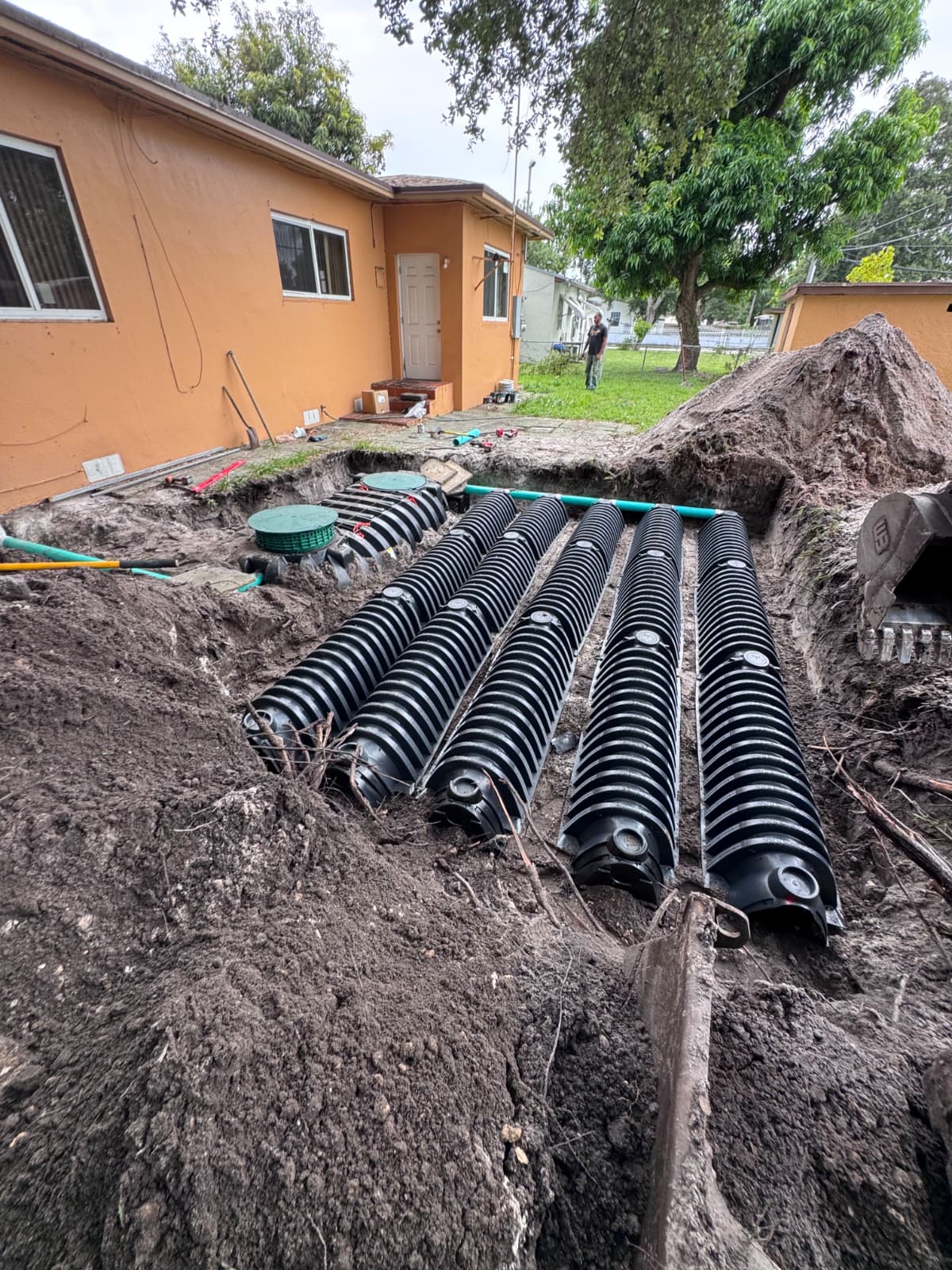
Septic Tank Cleaning & Pumping
Septic tank pumping, cleaning and system inspection services for homes and properties throughout Miami and South Florida.
Help Keep Your Septic System Flowing Properly
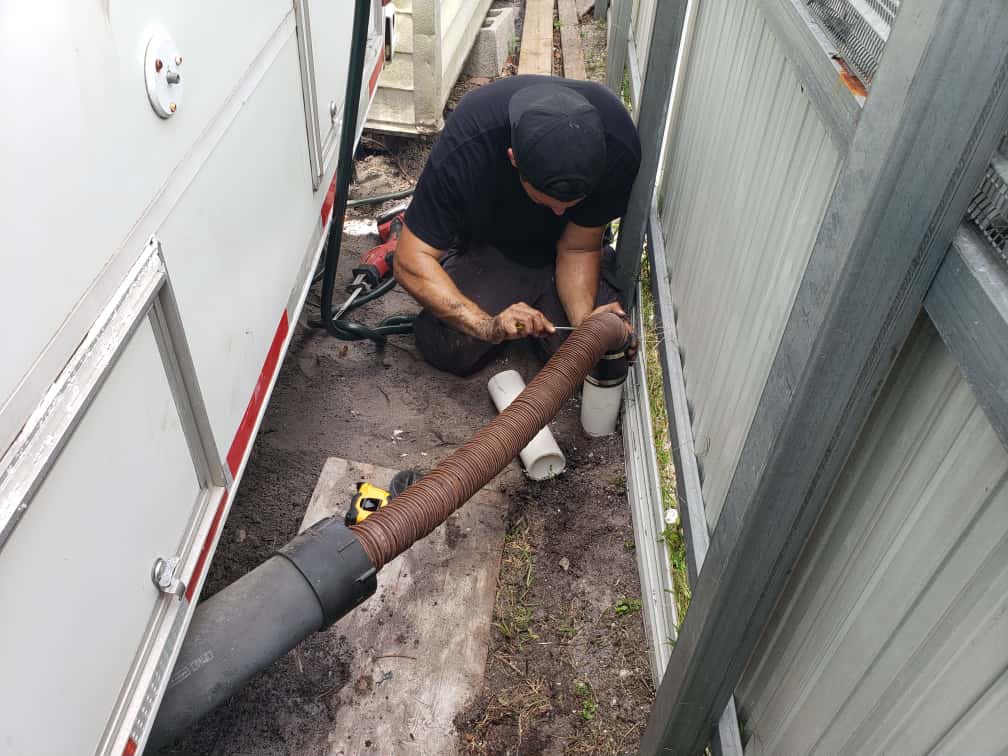
Over time, sludge and scum accumulate inside a septic tank. Periodic pumping removes these materials before they take up too much tank capacity or contribute to system problems.
Jay & Norman Plumbing Services can locate and access the septic tank, pump the tank contents, clean accessible components and inspect key areas of the system for visible concerns.
- Complete tank pumping
- Sludge and scum removal
- Effluent filter cleaning
- Baffle inspection
- Drainfield review where accessible
- Final flow testing
Signs Your Septic Tank May Need Pumping
Septic problems can develop gradually. If you notice changes in drainage, odors or conditions around the tank or drainfield, the system should be evaluated.
Slow Drains
Multiple fixtures draining more slowly than usual can be a sign that the septic system needs attention.
Sewage Odors
Persistent septic or sewage odors inside or outside the property should be investigated.
Plumbing Backups
Backups into toilets, tubs or drains can indicate a full tank or another septic or drainage problem.
Wet Drainfield Areas
Standing water or unusually wet soil around the septic or drainfield area may require inspection.
Unusual Grass Growth
Areas of unusually green or fast-growing grass can sometimes appear near a stressed septic system.
Long Time Since Last Pumping
If the tank has not been pumped for several years, preventative service may help avoid excess solids buildup.
From Tank Access to Final Flow Test
The exact process depends on tank access, tank condition and the septic-system layout found at the property.
Locate the Tank & Drainfield
The tank and accessible drainfield area are identified, and the work area is prepared to help protect nearby lawn, driveway and property surfaces.
Expose & Open Tank Lids
Accessible septic lids can be exposed up to approximately 18 inches deep as part of a standard service, depending on site conditions and tank location.
Pump the Tank
Tank contents are pumped from accessible compartments, including liquid, sludge and scum, so accumulated waste is removed from the system.
Clean Accessible Components
Sludge and scum are broken up as needed. Accessible tank walls, baffles and the effluent filter can be cleaned as part of the service.
Inspect Tank & Outlet
Baffles, tees, lids, risers, water level and accessible filter components are visually inspected. An outlet sewer-camera inspection up to approximately 50 feet can be included where access and conditions allow.
Restore & Flow Test
After service, accessible components are restored, lids are secured and the immediate work area is closed or backfilled as appropriate. A final system flow check is then performed.
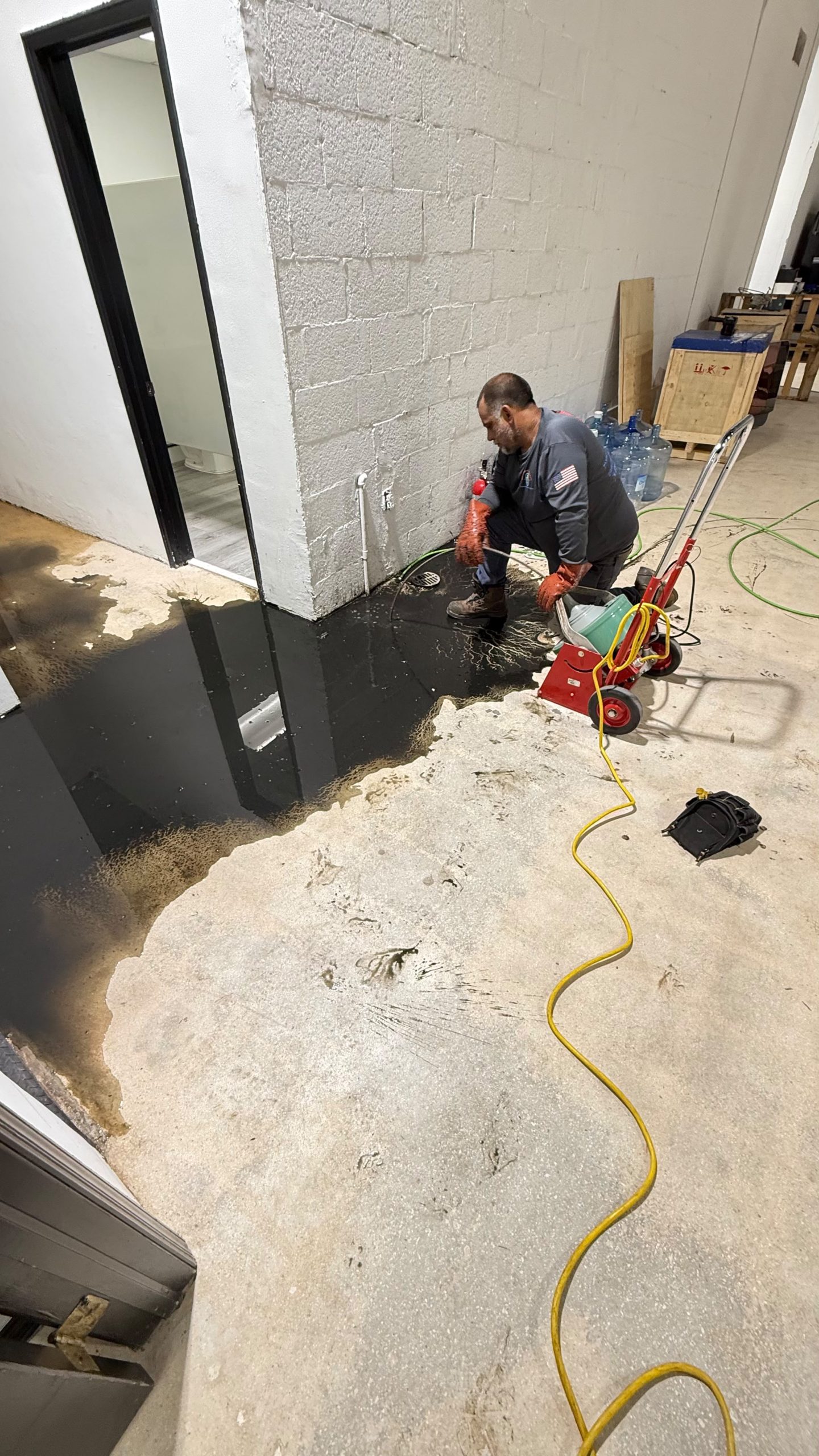
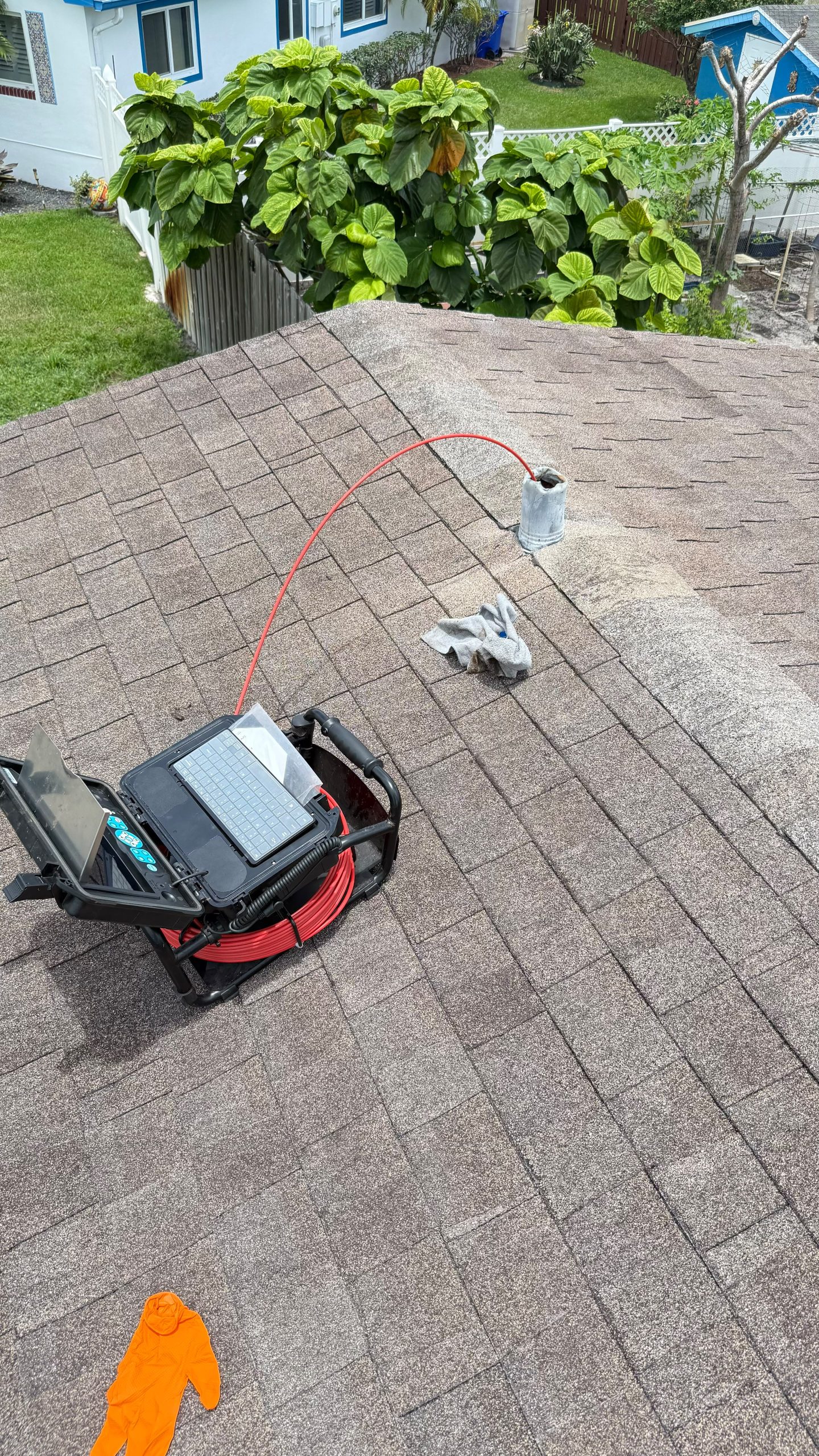
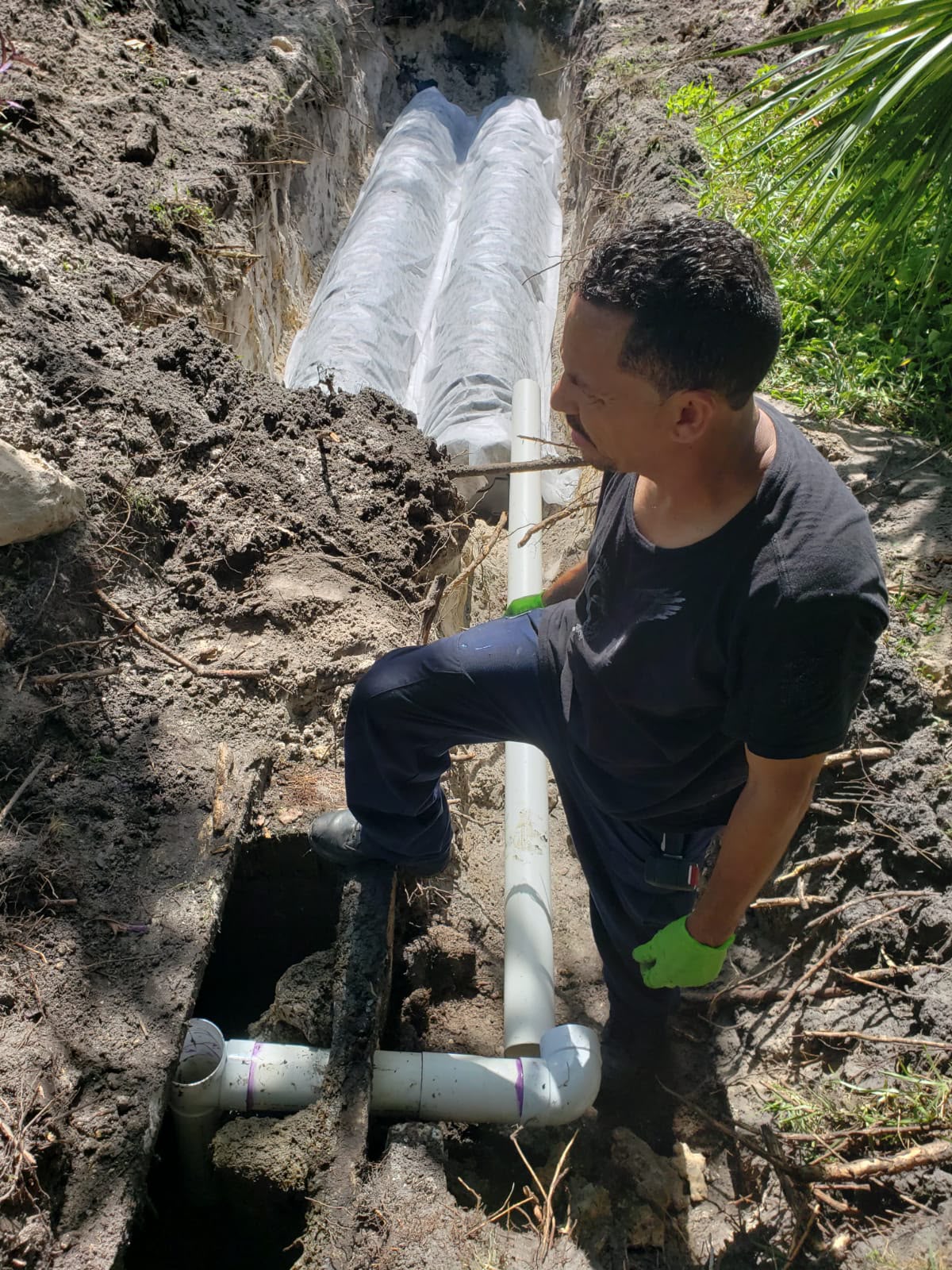
We Look Beyond Just Pumping the Tank
Accessible components can be reviewed during the pumping visit to help identify visible signs of damage or system problems.
What a Typical Septic Pumping Visit Includes
Standard service applies to normal-access residential systems. Additional work can be discussed if unusual access or system conditions are found.
Up to 1,000 Gallons
Standard pumping includes tank contents up to approximately 1,000 gallons.
Up to 150 Feet
Standard truck and hose access can include approximately 150 feet of pumping hose.
Lids Up to 18 Inches
Standard lid exposure can include digging up to approximately 18 inches where needed.
Service Findings
Photos or service documentation can be provided where requested and applicable.
Septic Cleaning & Pumping Scope of Work
Final scope depends on system size, tank access, condition and what is discovered during service.
Typically Included
- Septic tank and drainfield location where reasonably identifiable
- Protection of nearby work areas
- Standard lid exposure up to approximately 18 inches
- Pumping of accessible tank compartments
- Sludge and scum removal
- Cleaning of accessible effluent filter
- Visual baffle and tee inspection
- Tank, lid and riser inspection where accessible
- Outlet camera inspection up to approximately 50 feet where applicable
- Drainfield / distribution-box review where accessible
- Final flow testing
- Standard pumping up to approximately 1,000 gallons
- Pump truck and up to approximately 150 feet of standard hose
- Proper disposal of pumped septic waste
May Require Separate Pricing
- Replacement of septic risers
- Baffle or tee replacement
- Effluent filter replacement
- Drainfield repair or replacement
- Digging deeper than approximately 18 inches
- Extensive locating of an unknown or inaccessible septic tank
- Hydro jetting or additional drain cleaning
- Permit or inspection fees
- Landscaping or surface restoration
- Hazardous or non-standard waste
- Extra pumping hose beyond standard reach
- Repairs to damaged, collapsed or root-intruded sewer lines
How Often Should a Septic Tank Be Pumped?
Many residential septic tanks are serviced approximately every 3–5 years, but the appropriate schedule depends on tank size, household usage and the amount of solids entering the system.
Pumping Service Warranty Note
Septic pumping service includes a 30-day no-backup warranty related to the pumping service itself. This does not cover backups or failures caused by pre-existing drainfield problems, damaged or crushed piping, root intrusion, structural septic-system defects or other conditions outside the pumping scope.
Serving Miami & South Florida
Contact Jay & Norman Plumbing Services to confirm septic tank cleaning and pumping availability for your property and location.
Septic Tank Pumping FAQs
How often should a septic tank be pumped?
What does septic tank pumping include?
Do you inspect the septic tank while pumping it?
Is digging included in septic pumping?
Does pumping fix every septic backup?
Do you check the drainfield?
Do you provide septic pumping throughout South Florida?
Need Septic Tank Pumping? Call Us Today.
Tell us about your septic system, when it was last pumped and what problems you are experiencing. We can discuss the appropriate next step for your property.